
With food insecurity rising and affordability measures rolling out, seafood farmers want aquaculture formally embedded in Canada’s new National Food Security Strategy, not left trapped in politics.
By Fabian Dawson
SeaWestNews
Canada’s seafood farmers are calling on Prime Minister Mark Carney to make aquaculture a central pillar of his planned National Food Security Strategy, saying Ottawa should start treating the sector as a critical asset, not a political flashpoint.
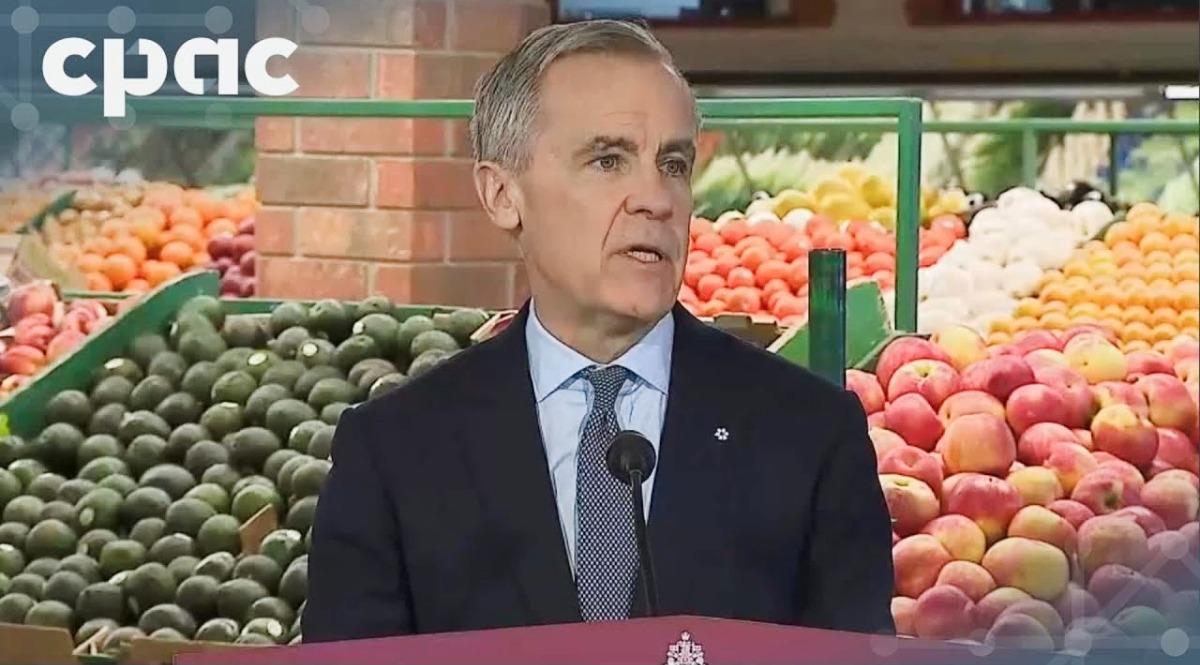
The call comes after Carney today announced a suite of affordability measures, including boosting grocery GST credits, funding to ease supply-chain pressures and added support for food producers, food banks, and local food infrastructure.
The Prime Minister’s Office in a statement said; “To tackle the root causes of food insecurity, we are developing a National Food Security Strategy – one that strengthens domestic food production and improves access to affordable, nutritious food.”
The nation’s seafood farmers say that kind of strategy must include aquaculture, arguing the sector is already delivering affordable, low-carbon protein while supporting over 18,000 Canadians in coastal and Indigenous communities.
PM Carney’s announcement today also follows his recent food-security messaging at the World Economic Forum in Davos, which industry leaders say struck the right tone but has yet to translate into clear direction for seafood farmers, particularly in British Columbia.
In B.C., the sector remains under the shadow of a Trudeau-era plan to phase out ocean salmon farming licences by 2029, a move being driven by politics rather than science, and one that threatens 4,500 full-time jobs, including hundreds of Indigenous positions.
“As salmon farmers and residents of coastal communities, we are well aware of the pressures that increased food prices are having on Canadian consumers, and we have watched our own communities increase their resilience on food banks,” said Brian Kingzett, executive director of the BC Salmon Farmers Association.
“Salmon farmers want to be part of the solution to providing healthy and affordable protein to Canadians and for our export economy,” he said.
Kingzett added that Canada’s growing reliance on imported salmon leaves consumers exposed, noting the country ships in more than $700 million in salmon annually to meet domestic demand.
“Blue foods will play an important part in the new National Food Security Strategy and we’re ready to deliver, said Timothy Kennedy, President and CEO of the Canadian Aquaculture Industry Alliance (CAIA).

“Aquaculture is the solution and the only way we can grow more seafood. And Canada, with the right policy framework, can grow a lot more. We can see billions of dollars of economic benefits and thousands of jobs to help support Canada’s food sovereignty,” he said.
“But Canada is stuck with a regressive policy for BC salmon farming that is inhibiting confidence and growth in the sector. We urgently need a smart and fresh pathway under this new federal government to drive positive, long-term sustainable development.”
Unlike Canada, many countries across Europe, Asia, Australia, Africa and South America explicitly tie aquaculture to food and food security goals, often through “blue growth” strategies.
Canada, however, still lacks a single, legislated national food strategy that clearly embeds aquaculture as a core pillar. Instead, seafood farming is typically folded into wider agri-food discussions, without being formally positioned as a central tool for strengthening domestic food security.
The debate over aquaculture’s place in Canada’s food system has also drawn concern from national innovation leaders who say Ottawa is failing to treat seafood farming with the same seriousness other food-producing sectors receive.
In an interview with SeaWestNews last October, Canada’s Ocean Supercluster CEO Kendra MacDonald said the federal government needs to stop framing marine aquaculture as a political controversy and start recognising it as a major economic and food-security opportunity.
“We have the natural assets to lead in aquaculture, but if we don’t act with urgency, we will simply miss the opportunity,” MacDonald said.
“Aquaculture is a greater source now of fish than wild fishery and that will continue to grow,” she said. “It is the most sustainable source of meat or animal protein but that story is not necessarily well understood across Canada.”
According to the Food and Drug Organisation of the United Nations (FAO), aquaculture now provides more than half of all aquatic food consumed worldwide. Per capita consumption of farmed fish has reached 12.7 kilograms, compared with 8.7 kilograms from wild capture. The report also notes a 2.1 percent increase in global trade volumes for aquatic products, with export value expected to climb to USD 193.3 billion in 2025.
Main image is a YouTube screen shot of PM Mark Carney announcing a suite of affordability measures in Ottawa today.