
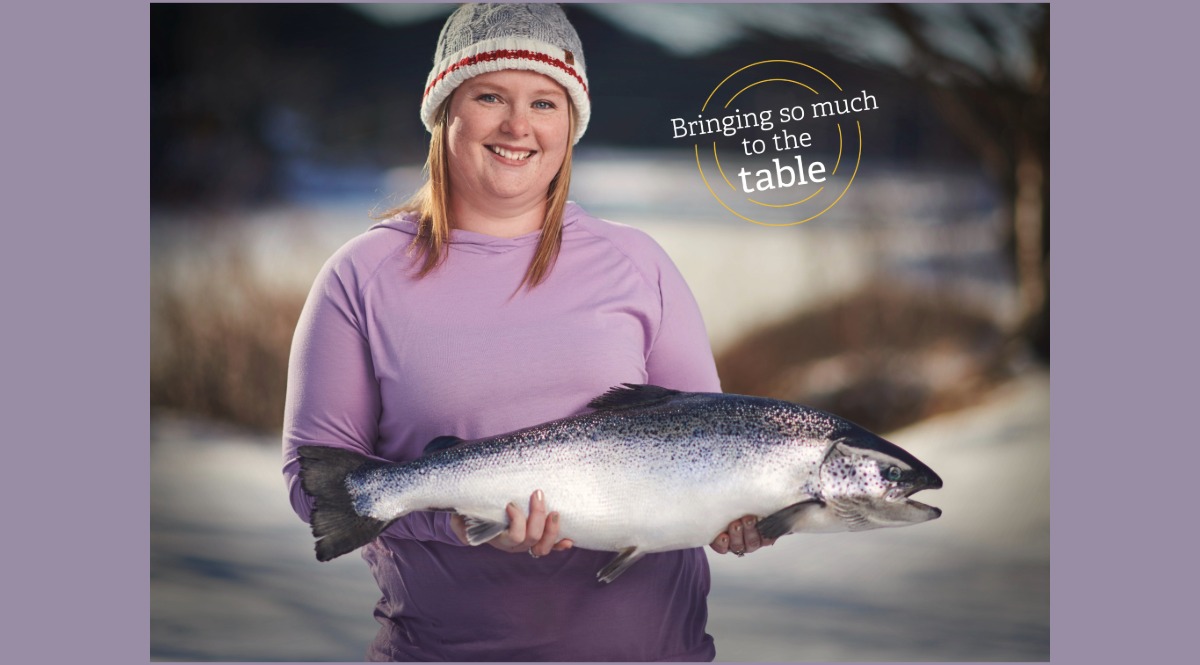
New identity comes with a policy push to scrap B.C.’s 2029 salmon farming ban, recognize aquaculture as agriculture and grow more Canadian seafood
By Fabian Dawson
SeaWestNews
Canada’s national aquaculture association has renamed itself Canadian Seafood Farmers, as the industry presses Ottawa for a policy reset aimed at expanding domestic production and investment.
The former Canadian Aquaculture Industry Alliance (CAIA) said the new name was unanimously approved by members at its annual general meeting on Sept. 29.
The change comes as Prime Minister Mark Carney’s government puts food security, economic resilience and increased domestic production at the centre of its growth agenda.
It also follows a pre-budget submission from CAIA seeking major changes to federal aquaculture policy, including scrapping the Trudeau-era 2029 ban on conventional ocean salmon farming in British Columbia.
“Aquaculture is agriculture, and our members are focused on responsibly growing, harvesting and processing Product of Canada seafood for grocery stores,” said Timothy Kennedy, president and CEO of Canadian Seafood Farmers.
“As Prime Minister Carney implements the new National Food Security Strategy, our farmers can grow more here, process more here and put more Canadian seafood on Canadian plates.”
The organization says Canada’s seafood farmers generate about $6 billion in economic activity, $2.03 billion in GDP and 18,000 jobs, along with more than $1 billion in annual exports.
In its submission ahead of the 2026 federal budget, the association called on the Carney government to:
- Remove the 2029 ban on open-net pen salmon farming in B.C. and replace it with a policy framework that allows the sector to continue operating and investing.
- Put aquaculture under Agriculture and Agri-Food Canada’s development mandate, giving the department responsibility for industry development, innovation and farm-support programs.
- Formally recognize aquaculture as farming in federal regulations, including through the Income Tax Act.
- Require Agricultural Impact Assessments for marine conservation initiatives to measure their potential effects on seafood production and food security.
- Modernize the Canadian Shellfish Sanitation Program, which the association says has become the biggest impediment to growth of Canada’s shellfish farming sector.
Industry-commissioned economic analysis estimates B.C. salmon farming supports about $1.17 billion in annual economic activity and roughly 4,560 full-time jobs, many in coastal and Indigenous communities.
It projects that with regulatory certainty and continued investment, the sector could grow to $2.5 billion in annual economic output, $930 million in GDP and about 9,000 jobs by 2030, rising to $4.2 billion in annual output and more than 16,000 jobs by 2040.
B.C. farmed salmon production has fallen by more than 40 per cent since 2015 following years of federal restrictions pushed by anti-fish farming activists. Over the same period, Canada has become increasingly dependent on foreign suppliers to satisfy demand for salmon.
In 2025, Canada imported more than $1 billion worth of salmon, about $71 million more than the previous year. Imports included $41.1 million from China, up 39 per cent from $29.5 million a year earlier, even though much of the salmon shipped from China originates elsewhere and is processed there before being exported.
Coastal First Nations that support salmon farming are also pressing Ottawa for a different approach.
The Coalition of First Nations for Finfish Stewardship has proposed an Indigenous-led licensing system that would give Rights Holder First Nations greater authority over salmon farming, science and stewardship in their territories. All remaining salmon farms in B.C. operate under agreements with the First Nations in whose territories they are located.
“Generations of Canadians have been farming seafood, and they want to grow more of it here at home,” said Joel Richardson, chair of Canadian Seafood Farmers and vice-president of public relations at Cooke Aquaculture.
The shellfish sector is another target for reform.
Shellfish now accounts for almost one-quarter of Canadian aquaculture, but the association says federal capacity to approve new sites, monitor water and issue licences has failed to keep pace with the industry.
Canadian Seafood Farmers will roll out its new brand over the coming weeks before taking its agenda to Parliament Hill for an Advocacy Day and Parliamentary Reception on Nov. 24.
(Main image courtesy of Newfoundland Aquaculture Industry Association)