
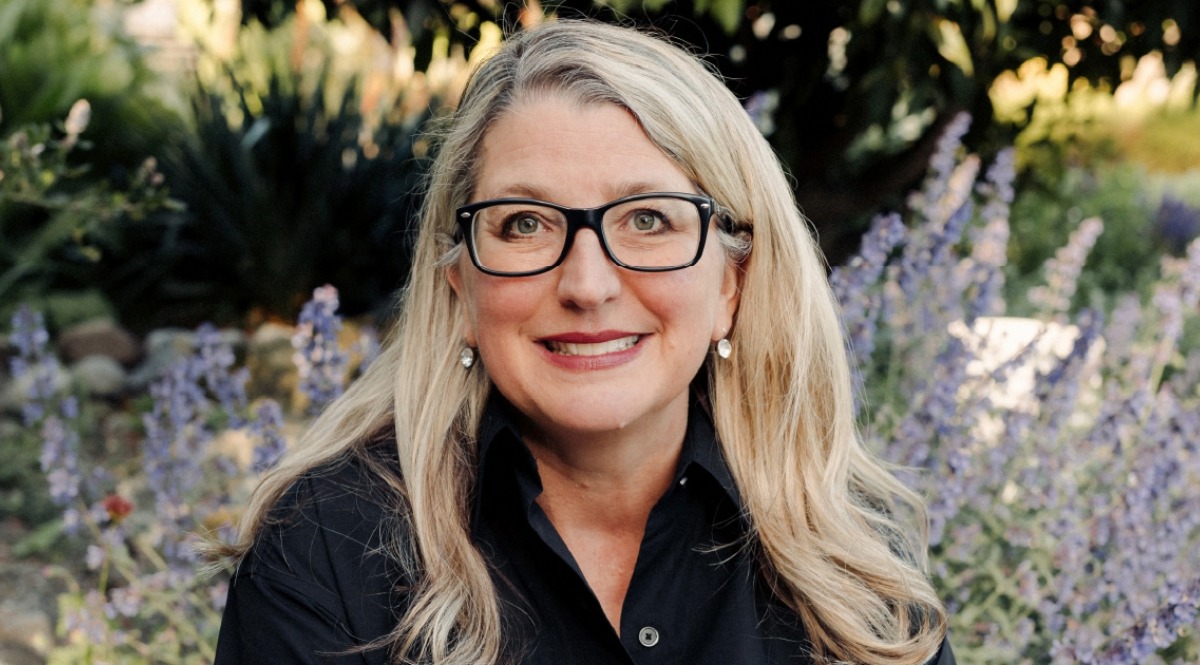
At North America’s biggest seafood trade show this week, B.C. promoted exports, jobs and global opportunity, but once again stopped short of fully backing the salmon farming sector driving much of that value.
Commentary
By Fabian Dawson
At Seafood Expo North America in Boston this week, British Columbia talked up the bounty of its oceans, the strength of its seafood exports and the global opportunity they present.
Lana Popham, B.C.’s Minister of Agriculture and Food, praised the province’s $1.3 billion seafood export sector and the jobs and growth it generates.
But, true to form, she stopped short of acknowledging that farmed salmon makes up roughly half of that export value, is produced in direct partnership with First Nations and supports about 4,560 full-time jobs in this province.
Other than a passing mention of “wild and farmed” salmon in a media statement, the scale, potential and production strength of B.C.’s salmon farming sector was once again muffled by political timidity.
For international buyers at the expo, whom Popham was actively courting, it signalled a province unwilling to fully stand behind one of its own most important seafood industries, which generates $1.2 billion in annual economic output.
For international investors, it laid bare the inconsistency of a government that wants foreign money in B.C.’s resource sector while denying clear support to the industries helping carry its export economy.
Popham, and by extension her NDP colleagues, have long treated B.C.’s farmed salmon sector as an awkward political file, to be managed through careful wording, selective acknowledgment and strategic silence.
David Eby’s NDP government is unwilling to openly support this aquaculture sector because it fears alienating anti-salmon farming activists and the votes that come with them.
It has become captive to activist pressure in many NDP ridings, where ideological echo-chamber proclamations are allowed to overwhelm real-world evidence about ocean salmon aquaculture.
Lost in those proclamations is the weight of science and traditional knowledge showing that properly regulated salmon farms pose minimal risk to wild salmon and that both farmed and wild can flourish in the same waters.
These NDP-allied activists have also taken to painting salmon farmers as foreign villains at the very same time Eby and his ministers head overseas to seek investment, push exports and sell B.C. to the world.
In Boston, that contradiction was reflected in the way Popham effectively sidelined B.C.’s top seafood export.
By contrast, Atlantic Canada’s ministers and officials at the Expo did not tiptoe around their salmon farming sectors. They defended them openly, promoted their value and treated them as industries worth fighting for.
“We see the Atlantic provinces really stepping up for salmon farming in their province,” said an Expo delegate from British Columbia. “We on the other hand, continue to be disappointed in provincial support for the sector.”
That disconnect looked even worse as the Expo opened to news that B.C. lost more than 20,000 jobs last month, the biggest monthly drop since April 2021 and the sixth largest monthly decline in two decades.
At the same time, the BC Coalition of First Nations for Finfish Stewardship and the BC Salmon Farmers Association were pointing to a very different future, one in which a science-based federal and provincial aquaculture framework could generate as much as $2.5 billion in annual economic activity and support roughly 9,000 jobs across the country.
Against that backdrop, Popham’s muted treatment of salmon farming, one of B.C.’s few scalable coastal growth sectors, looks more and more like economic self-sabotage rooted in political hypocrisy.
Main image courtesy of the BC NDP shows Lana Popham, B.C.’s Minister of Agriculture and Foo.