
A media investigation by The Outlaw Ocean Project links farmed salmon to depleted fisheries and labour abuses, but Canadian producers say it paints an outdated picture of how salmon are fed in Canada.
By Fabian Dawson
SeaWestNews
A high-profile international investigation linking farmed salmon to depleted fisheries, pollution and labour abuses is facing pushback in Canada, where producers say it paints an outdated picture of how the fish are fed and where those ingredients come from.
The Outlaw Ocean Project’s investigation into fishmeal and fish oil has received prominent exposure through major media organizations, raising disturbing allegations about fisheries and processing operations supplying parts of the global aquaculture industry.
But salmon farmers and seafood specialists say the investigation risks leaving consumers with the impression that practices uncovered in troubled fisheries overseas are representative of salmon farming in Canada.
They say the Canadian numbers tell a very different story.
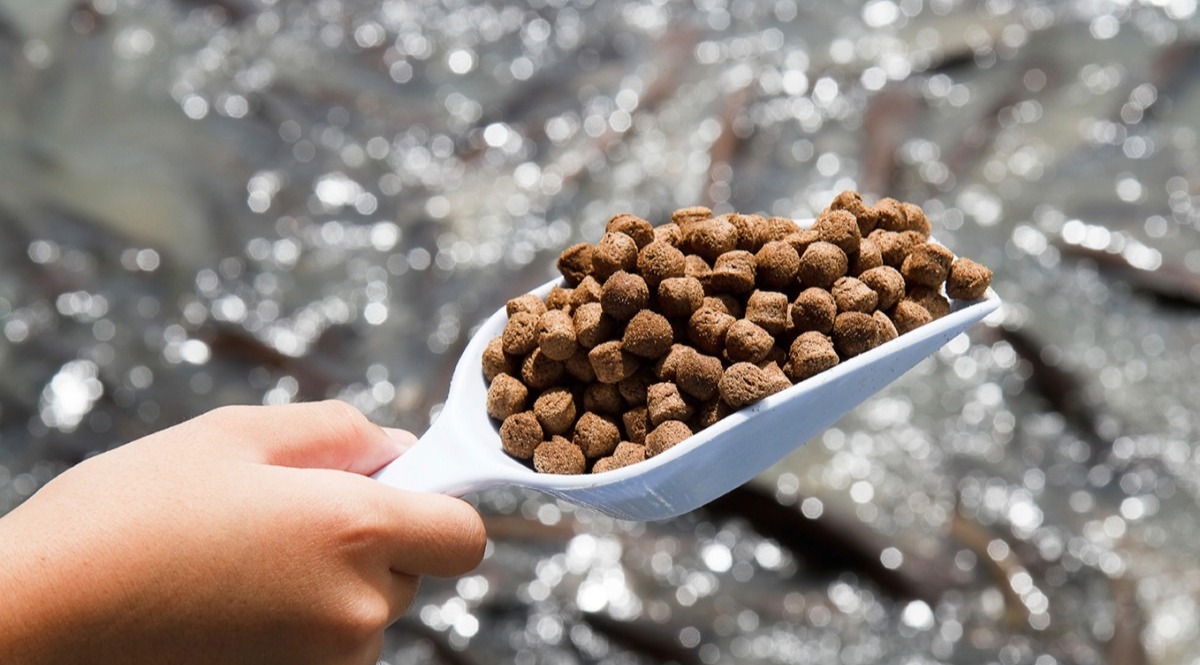
When salmon farming began in Canada nearly 50 years ago, virtually all feed was made from fish and fish products. Today, about 80 per cent of salmon feed used in Canada comes from non-fish sources, according to data released by Canadian Seafood Farmers.
Of the fish products that remain, 95 per cent come from certified sustainably managed fisheries, the organization says.
“This is remarkable progress, and we are committed to 100% sustainable sourcing and constant improvement and innovation,” said Canadian Seafood Farmers President and CEO Timothy Kennedy.
Kennedy said feed producers are increasingly looking beyond traditional marine ingredients, including omega-3-rich algae oils, proteins produced through fermentation and insect-based proteins.
Canadian salmon farmers also purchase more than $250 million worth of grains, seeds, oils and other proteins from Canadian farmers, according to the national industry organization.
Industry representatives say that changing feed equation is largely absent from the broader image of farmed seafood being presented to readers by media outlets including The New York Times, the Canadian Broadcasting Corporation and The Globe and Mail.
Brian Kingzett, executive director of the BC Salmon Farmers Association, questioned the framing of the coverage and what he described as a lack of Canadian context and data.
He said Canadian salmon farmers and feed suppliers operate under third-party sustainability certification systems that require traceability of marine ingredients and responsible sourcing.
Kingzett also argued that the reporting makes broad claims about fishmeal while giving insufficient weight to how much its use in salmon diets has declined.
“The sloppy brush that the Outlaw Ocean project is using seems way too wide and thick,” he wrote in a social media post.
The industry criticism does not dismiss serious problems uncovered in parts of the global seafood supply chain. Forced labour, illegal fishing, pollution and poorly managed fisheries deserve investigation, enforcement and public scrutiny, it said.
But critics of the Outlaw Ocean coverage say those abuses should be tied to particular operators and supply chains rather than used to cast suspicion across an entire food-production sector.

Matthew Beaudin, a food systems strategist who works in sustainable seafood, made that distinction bluntly after reading the coverage.
“Forced labor? Absolutely. A serious problem that deserves to be exposed,” he wrote in a social media post, while also supporting scrutiny of pollution, chemical use and irresponsible farming practices.
But he said accountability should be directed at those responsible.
“Name the operators. Show us the evidence. Hold them accountable.”
Beaudin warned against allowing a legitimate investigation of abuses to become an indictment of an entire food category.
“Investigate the industry. Expose the bad actors. Just don’t confuse a provocative headline with an honest account of a complicated reality.”
“Some operations deserve every bit of scrutiny you give them. Others are part of the solution to feeding a growing population without putting even more pressure on wild fisheries.”
Joel Richardson, chair of Canadian Seafood Farmers, went further, raising questions about the funding behind The Outlaw Ocean Project and how its reporting is being amplified.
In a social media post, Richardson pointed to funding from U.S.-based foundations and alleged links between some funders and organizations campaigning against salmon farming.
His broader concern is that reporting produced by an American non-profit journalism organization is now being used by anti-fish farming activists to reinforce campaigns aimed at eliminating ocean salmon farming in Canada.
In British Columbia, anti-fish farming groups that have spent years pressing Ottawa to remove conventional ocean salmon farms have already begun using the Outlaw Ocean investigation as a new line of attack.
The federal government is currently reviewing the Trudeau-era policy to end conventional marine salmon farming in B.C. by June 30, 2029, a policy long backed by anti-fish farming groups.
Canadian producers say those groups are using evidence gathered from troubled fisheries and poorly regulated supply chains overseas to attack an industry operating under very different Canadian rules, certification standards and sourcing requirements.
Kennedy said Canadians should have confidence in salmon produced domestically under Canadian standards.
“We should be growing more salmon in Canada for Canadians, as we know the standards are amongst the highest in the world,” he said.
(Main farmed salmon feed image courtesy of Mowi)