
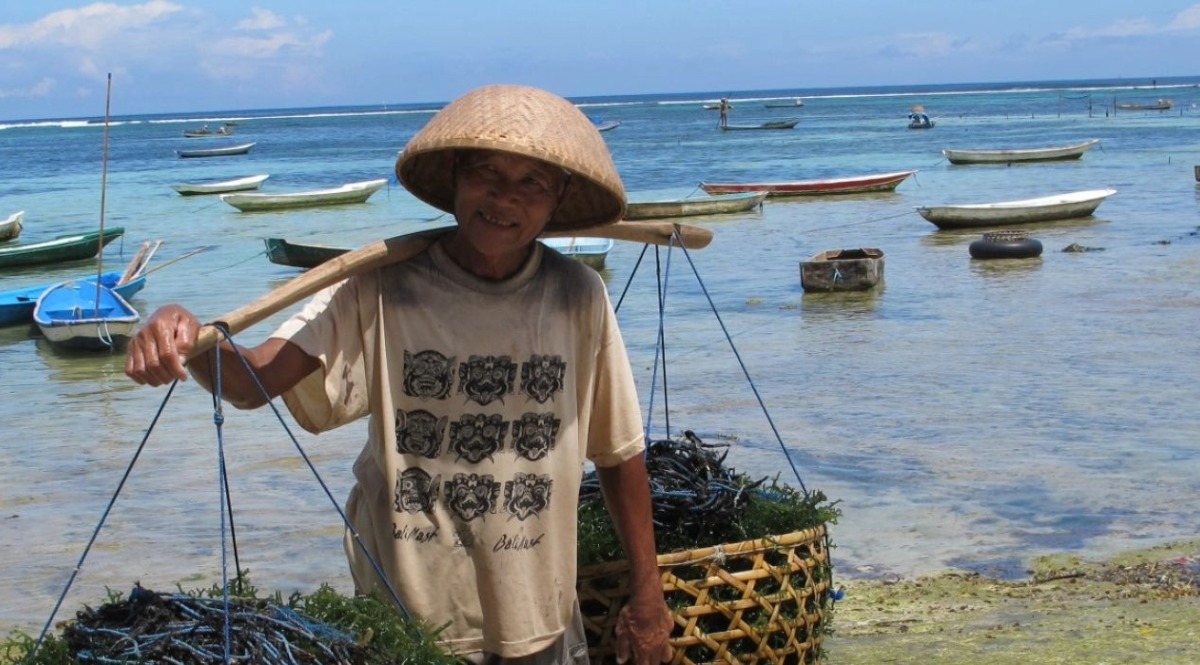
Canada is spending $24 million to strengthen aquaculture across Asia while pursuing a policy that threatens thousands of jobs and Indigenous economic partnerships at home.
By Fabian Dawson
SeaWestNews
Canada is spending millions to help seafood farmers in Asia expand production, protect coastal livelihoods and strengthen food security.
In British Columbia, the same federal government is pursuing a policy that threatens to dismantle an established salmon farming industry supporting 4,560 full-time jobs and generating $1.17 billion in annual economic activity.
Apparently, sustainable aquaculture is worth supporting with Canadian taxpayers’ money, provided the jobs, investment and economic benefits are thousands of kilometres away from Canada’s own shores.
The federal government’s double standard is laid bare in a Global Affairs Canada report celebrating AQUADAPT, a $24-million initiative supporting 11 aquaculture research projects across 10 Indo-Pacific countries, including Malaysia, Indonesia, the Philippines, Thailand and Vietnam.
The program helps Asian seafood farmers adapt to climate change, improve environmental practices, protect biodiversity and strengthen coastal economies.
Ottawa also wants to expand access to aquaculture technologies, financing, markets and economic opportunities for Indigenous peoples, youth and marginalized communities in Asia.
These are worthwhile investments but the priorities become indefensible when measured against what the same government is doing in British Columbia.
Why is Ottawa financing research and innovation to overcome aquaculture’s environmental challenges overseas while preparing to eliminate conventional ocean salmon farming at home by June 30, 2029?
Why are Canadian taxpayers being asked to strengthen foreign seafood production while an established Canadian industry is being pushed toward extinction?
And why is the federal government celebrating the economic empowerment of coastal communities in Asia while First Nations in British Columbia warn that its policies threaten their livelihoods and economic independence?
Global Affairs Canada proudly states that the Indo-Pacific produces approximately 90 per cent of the world’s aquaculture and supplies 33 per cent of Canada’s seafood imports.
It argues that supporting sustainable seafood production overseas will strengthen Canada’s food supply chains.
Meanwhile, B.C.’s salmon farming production has declined by more than 40 per cent over the past decade following repeated closures and restrictions and Canada’s salmon imports have exceeded $1 billion in 2025.
The hypocrisy is particularly glaring when it comes to Indigenous economic reconciliation.
Every remaining salmon farm in British Columbia operates under agreements with Rights Holder First Nations. These partnerships provide employment, business opportunities and revenues that help fund housing, healthcare, education and other community priorities.
More than 1,000 Indigenous workers depend directly or indirectly on the sector, while approximately 1,400 suppliers and businesses benefit from its operations.
The federal government promotes Indigenous participation and traditional knowledge as essential elements of sustainable aquaculture in Asia. In British Columbia, First Nations supporting salmon farming are fighting to preserve those same opportunities.
So, what exactly is the difference between Indigenous economic self-determination in Southeast Asia and Indigenous economic self-determination on Canada’s West Coast?
The scientific contradiction is equally troubling.
In Asia, Canada acknowledges that aquaculture faces environmental challenges that can be addressed through research, better technology and improved management.
In British Columbia, the federal government has committed to eliminating open-net salmon farming despite a substantial body of scientific research that challenges claims that the sector poses unacceptable risks to wild salmon.
Prime Minister Mark Carney has repeatedly spoken about making Canada an economic powerhouse, attracting investment, strengthening domestic supply chains and building major projects in the national interest.
Those ambitions ring hollow when his government is willing to sacrifice an established food-producing industry in B.C. while financing the expansion of aquaculture abroad.
If sustainable aquaculture deserves Canada’s money in Asia, it deserves Canada’s support in British Columbia.
(Main image courtesy of AQUADAPT.)