
Recognition highlights the salmon farming advocate’s work building a new generation of seafood leaders as aquaculture expands to meet growing global demand for sustainable protein.
By Samantha McLeod
SeaWestNews
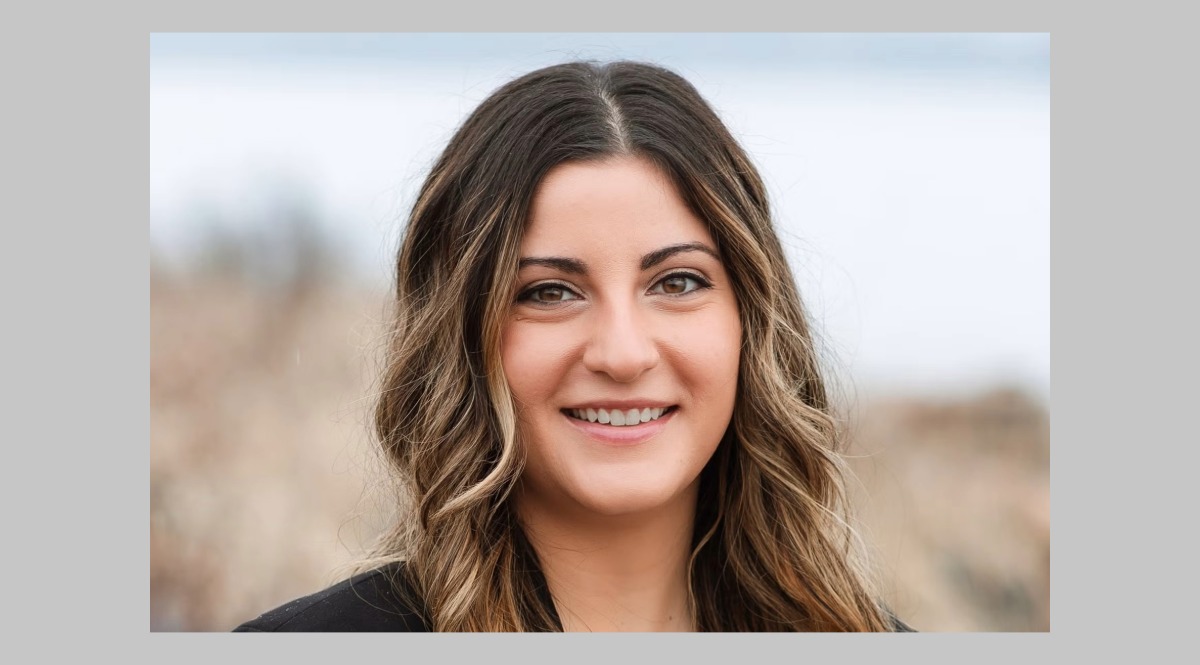
Michelle Franze, one of British Columbia’s most prominent young aquaculture advocates, has been named by international seafood publication IntraFish as one of its Women Shaping the Future of Seafood for 2026.
The annual list, recognizes women driving change across the global seafood sector through new technologies, production systems, sustainability initiatives, community leadership and industry advocacy.
The list is designed to recognize impact rather than corporate rank, highlighting people who have created new projects, challenged conventional thinking or introduced new approaches to industry problems.
Franze, manager of communications, partnerships and community for the BC Salmon Farmers Association, was selected for her work building a voice for younger professionals entering the seafood sector.
She co-founded the Young Salmon Farmers of BC in 2020, creating the province’s first youth-led network for early-career workers across the salmon farming supply chain.
Franze served as its founding chair until June 2026 and later co-founded the Next Generation Seafood Alliance, which connects young seafood professionals across different countries and generations.
IntraFish also cited her work on Agriculture and Agri-Food Canada’s Public Trust Working Group, where she has been involved in discussions around food security, innovation and sustainable seafood.
Her recognition comes at a pivotal time for B.C.’s salmon farming sector, which faces a federal policy to end existing open-net pen salmon farming after June 30, 2029.
For Franze, that uncertainty has long been one of the central issues facing younger workers who have chosen careers in aquaculture.
“As a young person building a career for myself and not always feeling secure that there will be a sector in 20-30 years does make it more stressful as you build a life for yourself,” she said in an earlier interview with SeaWestNews.
Franze said many young workers had moved to coastal communities for aquaculture jobs, bought homes and started families, raising the stakes around long-term political uncertainty.
Born and raised in London, Ontario, Franze studied marine biology at Dalhousie University and originally expected to pursue a career involving marine mammals and conservation.
After graduating, she moved to Prince Rupert to work at a scallop hatchery. That experience changed her view of aquaculture.
Franze said working in a remote coastal community showed her how food production could be tied directly to employment, economic activity and the survival of smaller communities hit by declining traditional fisheries.
“I began to see aquaculture in a new light,” she said. “I saw its potential to support reliable, healthy, affordable, low-carbon food and how it can support rural communities.”
She later moved to Campbell River to join the BC Salmon Farmers Association, where much of her role has focused on explaining salmon farming to the public, media and communities.
Franze has repeatedly argued that one of the industry’s biggest problems is the gap between public perceptions of salmon farming and what happens on farms.
Soon after joining the association in 2019, she began organizing farm tours for journalists, chefs, industry representatives and members of the public.
“When people get the opportunity to visit it really opens their eyes to how things are truly done,” she said at the time.
That advocacy has also exposed Franze to aggressive criticism online.
She has said young workers who publicly defend salmon farming routinely face hostility, with women sometimes targeted personally.
“When you post anything positive about salmon farming online, you are typically met with people making personal negative comments towards you, even threatening you,” she said.
“Especially as a young woman, I’m constantly dealing with demeaning comments from those that oppose salmon farming.”
Despite that, Franze has continued pushing younger aquaculture workers to participate publicly in debates about food production, environmental stewardship and the future of coastal communities.
Her IntraFish recognition places her alongside 23 other scientists, entrepreneurs, investors and seafood industry leaders from around the world, including women working in aquaculture technology, seafood production, food security and sustainable fisheries.
Franze, who recently became a mother, is currently on maternity leave.
Main image courtesy of IntraFish shows Michelle Franze. Photo: NJ VANJECEK